Current Projects
RESET Study
We are trying to better understand how Cognitive Behavioral Therapy for Insomnia (CBT-I) improves sleep. This study specifically focuses on the role of cortisol, a hormone related to sleep and stress. Anyone 18 years or older may complete this screening survey, particularly indiviudals who are struggling to fall asleep or stay asleep.
Currently recruiting for the RESET study!
MIND Study
We are interested in investigating the relationship between everyday thought patterns and sleep. Undergraduate students at the University of Notre Dame may complete the MIND Study Part 1 linked below for one SONA credit to determine their eligibilty. Eligible participants will be contacted via email to schedule their in-lab visit with the Sleep and Health Research Lab for two SONA credits.
Currently recruiting for the MIND study!
Wake Up! US Healthcare Study
This project aims to enhance the literature and data surrounding sleep health training in the US. We hope to identify potential differences in sleep health training and competency acoss health disciplines, specifically comparing recent graduates of DO, MD, PhD, and PsyD programs.
CBT-I and Depression Study
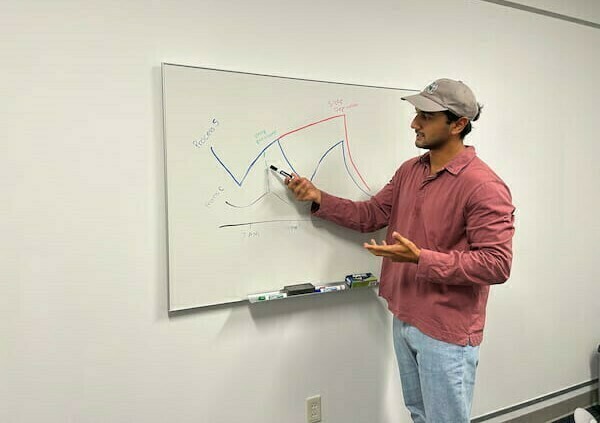
This project evaluates the effect of cognitive behavioral therapy for insomnia (CBT-I) on overall depression severity and assess whether the treatment effects of CBT-I on depression are related to changes in several different mechanisms (e.g., hypothalamic-pituitary-adrenal axis functioning, inflammation and behavioral activation.
Recruitment for this study is not currently ongoing.
CREST Study
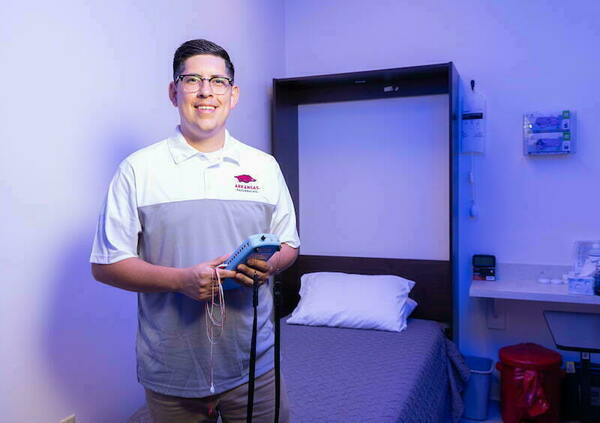
Cortisol Rhythms and the Examination of Sleep Troubles Study. The study is being conducted to evaluate whether individuals with insomnia (compared to individuals without insomnia) exhibit differences in cortisol during the 24-hour day. You may participate in this research study if you have insomnia (persistent trouble sleeping at night) OR if you are a good sleeper (no difficulty falling or staying asleep).
Recruitment for this study has ended.